Camino de Santiago-Via de Plata (San Salvador de Palazuelo-Puebla de Sanabria 21 Kilometres)

Puebla 4

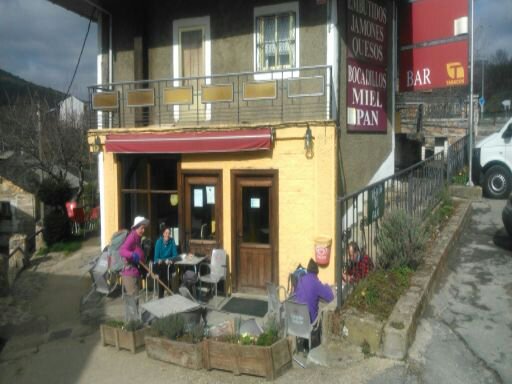
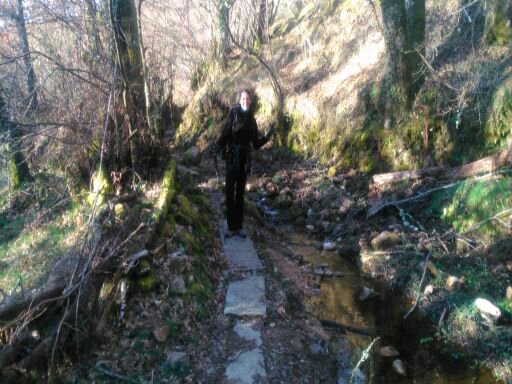
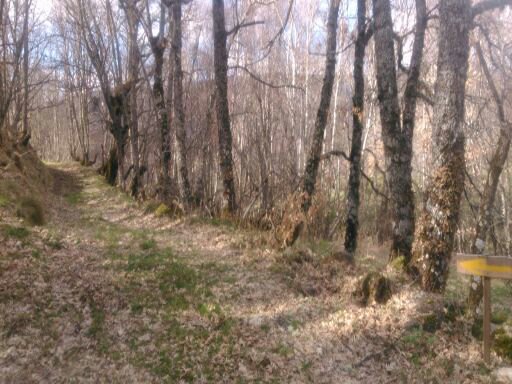
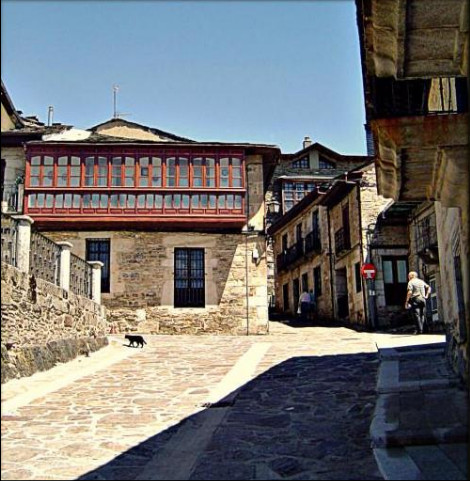
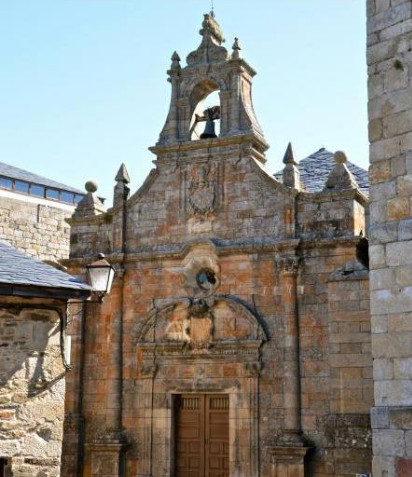
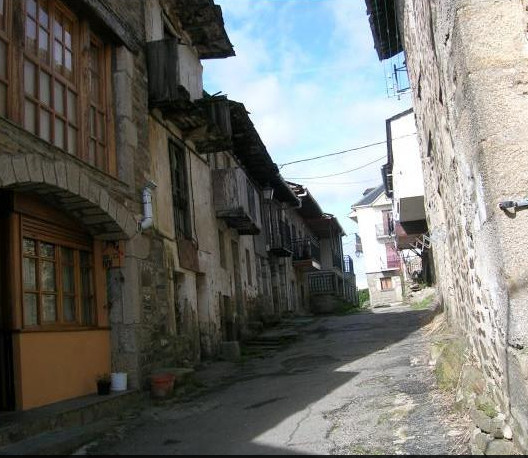
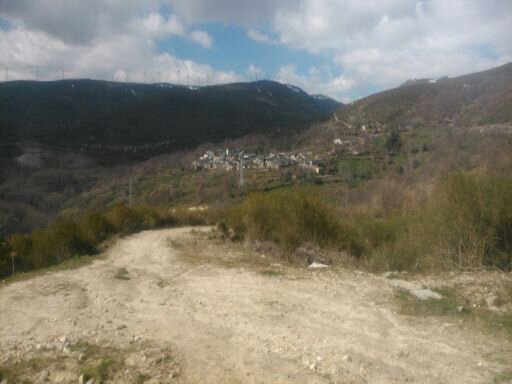
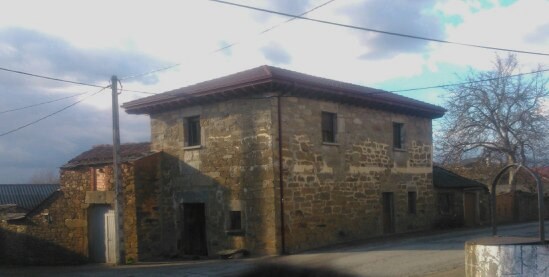
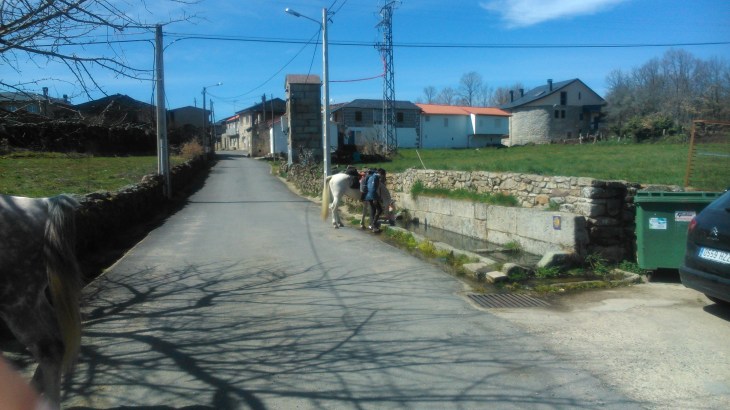
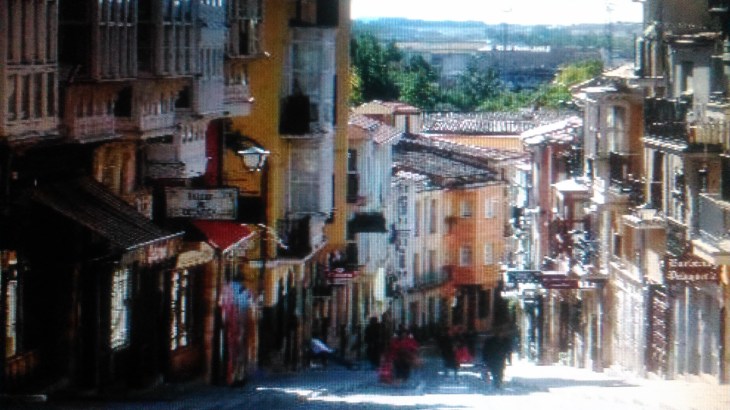
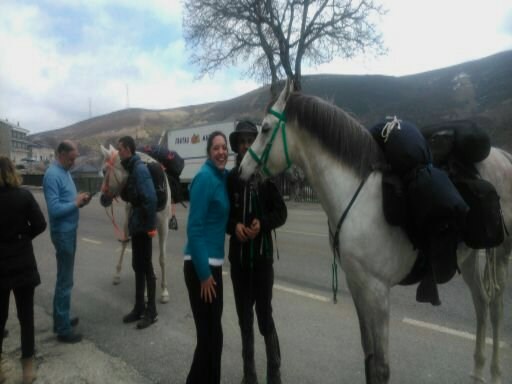
Puebla de Sanabria is a beautiful and ancient town.  The walk was well marked and trouble free and when I reached Puebla, I had no problem finding the private hostel, Albergue Casa Luz, which is excellent and has all facilities.  However, I was now getting nearer to Santiago, and I noticed that several people were already booked in, including two travelling on horseback. My days of living in the moment and walking alone or with Victor across the huge expanse of the Meseta were over.  The world and what passes for reality were crowding in again.

Puebla 5


puebla 6

Camino de Santiago – Via de Plata (Olleros de Tera – Mombuey – San Salavador 33 Kilometres)

to Puebla

This is a beautiful walk through many ancient villages. When I reached Mombuey, I had a meal in the bar and stocked up at the local shops.  There are no other bars or shops for the next 27 kilometres.  There is a municipal hostel in Mombuey but it looked in very poor condition.

to Puebla 1

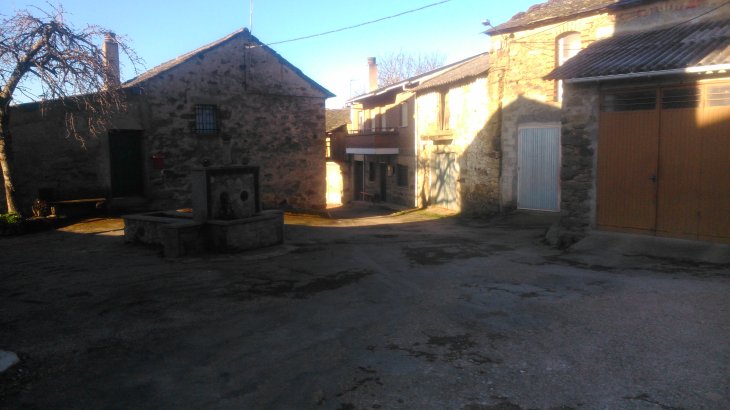
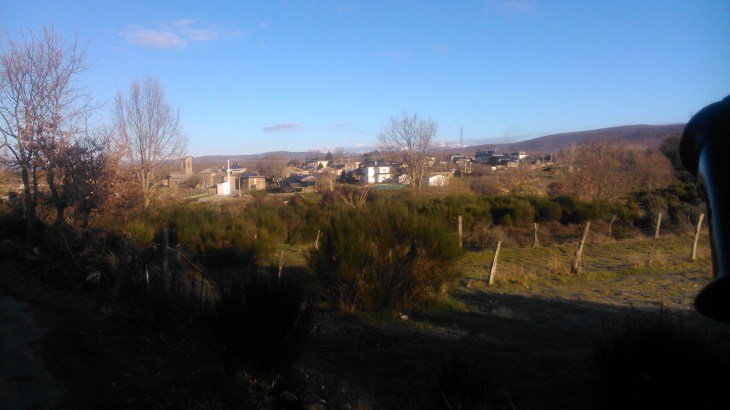
I walked on to the next village,  Cernadilla. I found three old people sitting in the evening sun, on a deserted main street.  They told me that there were very few people left, that the church and the hostel were closed and that I must walk on to the next village,  San Salvador de Palazuelo.

San Salvador is a  more substantial,  with a small hostel at the bottom of the hill, near the church.


Camino de Santiago – Via de Plata (Villanueva de las Peras – Olleros de Tera 18 Kilometres)

DSC_0082.jpg

I passed through several small villages on my way to Olleros – Santa Croya de Tera, Santa Marta de Tera, and Calzadilla de Tera. They were all very quiet.  They were clearly becoming depopulated, young people move away  for economic reasons, and houses and facilities fall into decay. This is very much the picture all over this part of Spain.

DSC_0085.jpg

However,  I was given a very warm welcome by the lady in Olleros, in Bar La Troucha. The alberge is basic, but she cooked an excellent meal and breakfast,  all for 12€.


Camino de Santiago – Via de Plata (Granja – Faramontanos de Tábara – Tábara)

DSC_0015

Shortly after Granja, Victor and I had to part company. He was walking north to Astorga,  then to the French border, and then through France to his parents farm, in the far north. It would take him another two months, but at least he would arrive in the summer.  I was continuing to follow the Portuguese border,  on the Camino Sanabres, now westward to Ourense,  and then north to Santiago.

We left Granja  early, and,  as was Victor’s custom,  we greeted the sun as it rose over the horizon. We parted company at a bridge called Puente Quintos.  I was very sorry to see him go, as we had become very good friends, and he had taught me a lot about the Camino.

I reached Tábara early afternoon and stayed at the excellent alberge with the the hospitalario, José.


.


Camino de Santiago – Via de Plata (Granja de Moreruela – Camino Sanabres)


DSC_0015.jpg

Riego de Camino is a small village with an alberge and a bar. In common with most villages in Spain, it is dying on its feet. For economic reasons,  the younger generation are deserting the countryside in favour of the cities, and houses quickly fall into ruin.


Granja, on the otherhand,  is more substantial, with a good alberge (no kitchen), a shop and a bar .


Camino de Santiago – Via de Plata (Zamora… Cont’d)

DSC_0013.jpg

Spending the morning with Marcelino in his water tank, was one of the highlights of this Camino.  As Victor and I trudged through open countryside, under a massive blue sky, the conversation turned to states of existence, parallel lives, and Victor’s favourite subject, the ‘Dawning of the Age of Aquarius ‘.


Before we reached Riego, we flopped down on a grassy bank.  I suddenly realised that the chatter of conversation in my head, that the left hand brain both needs to, and is very fond of producimg, had stopped. Apart from the sounds of nature,  there was perfect peace and perfect silence.

This was a new land to me. It had taken three weeks of hard walking to get here,  but it was worth it. It felt like being nowhere and everywhere at the same time.

I assumed that Victor lived here all the time,  or somewhere close by. After walking for six months across France and Spain, where else would he live?

Here  I was, for the first time in my life, living in the moment. I lay back in that vast landscape, under an immense blue sky. I could almost feel the earth turning on it’s axis.


Camino de Santiago – Via de Plata (Zamora cont’d)

DSC_0031.jpg

In Marcelino ‘s water tank, we breakfasted on bananas, and smoked an interesting herbal mix, while he played the banjolin. He is a great believer in the power of music to lift the human spirit to higher and higher levels. He simply plucked individual notes, getting faster and slower, louder and softer. The ecoustics in the water tank were excellent. He stopped,  occasionally,  to pass us books on the Camino,  the Templars,  and ancient magic. It was with reluctance that we left him, to continue our walk to Granja ….cont’d

DSC_0005.jpg

Camino de Santiago – Via de la Plata (Zamora – Riego del Camino-Granga de Moreruela 37 kilometres)

DSC_0026

Before leaving Zamora, we had promised to visit Marcelino in his home, an empty water tank.  A water tank in Spain, is a circular concrete structure, about the size of an average living room. He has no water or electricity, but has permission to live there. Marcelino is a fascinating character, and the chance to share more of his knowledge and his life was too enticing.

It was a beautiful, sunny morning and we made our way back across the Roman bridge to the water tank.  Marcelino greeted us warmly.  There was no door,  we just slide in through a hole in the wall…….cont’d.


.

Camino de Santiago-Via de Plata (El Cubo de Vino-Zamora)

DSC_0030

We left El Cubo de Vino in a heavy,  early morning, frost, but by the time we were crossing the Roman bridge in Zamora, it had warmed up to a lovely,  sunny day.

Zamora is a wonderful old city, crammed with  Romanesque churches. The alberge is just up the hill from the Roman bridge,  and is clean, warm, and comfortable.

Victor and I where wandering around town, when we bumped into a local called Marcelino, who took us on his personal tour.

We were standing outside the church of the Magdalena, I asked him about this bout the unusual sculptures and he informed us that they depicted the arrival of Jesus in the city, with his wife Mary Magdalene and their baby ie The Holy Grail. The family then travelled on to southern France.  

He also told us that the city had strong Celtic roots, as witnessed by the popularity of a musical instrument very close in both design an sound to the Irish Uillean pipes,  the abundance of Celtic design in the architecture and finally the procession of the drunks (borrachos) which is part of the Semana Santa celebrations. This particular procession happens only in Zamora and, of course,  Marcelino,  regularly,  takes part.

DSC_0032

He imparted one final bit of information, and whether  it relates to a Celtic past or not, I can’t be sure. The cathedral is famous for its many fine, pornographic carvings.

DSC_0033

.