 This is a beautiful, moderate to easy, 13 kilometres walk, on quiet roads and grassy old tracks.
To reach the start of the walk, drive to Rostrevor. Follow the Shore Road, which becomes the Killowen Road, for about 7 kilometres, and to where it meets the Kilfeaghan Road. Park in the handy lay-by and walk up the Kilfeaghan Road. After 500 metres, notice a small green gate, on the left, giving access to a farmyard. Go through the gate and the next field, to visit the spectacular Kilfeaghan Dolmen.

Marvel at this magnificent example of the dolmen builder’s art, the 35 tons capstone, the gorgeous panorama, and return to the road.
As you walk up the glen notice the field names, carved on stones at the gateways. They are written in Irish but spelt phonetically.

Cross the ford, (AH or ÁTH), and carry on towards the old house, in ruins. Follow the rough track, keeping right. This will bring you to the edge of the forest, at Slievemiskan.
 Enter the forest and, after 100 metres, turn left and follow the tarmac path for about 1 kilometre. Emerge from the forest at the base of Slievemartin, a great place for lunch.

Climb, steeply, up Slievemartin, using the mast and the concrete hut as your guide. On reaching the highest mast, walk towards the shorter masts and another concrete hut. Pass these and keep walking sout-east along the broad and grassy crest. As the ground begins to fall away, the crest narrows to give a fine path leading to Knockshee and an ancient cairn.
There are fine views of the Wicklow Mountains, the Isle of Man, Slieve Foye and Clermont Cairn, on one side, and the Mourne Mountains on the other.
On the Mourne side, zigzag down to a track which will bring you back, turning left, to the Kilfeaghan Road. You can retrace your steps from here .


 Mérida was a party town for the Romans and also a place to retire. It is full of impressive remains, including the bridge, the circus, the amphitheatre and much more – well worh a visit.
 As I am writing this, a kingfisher landed on a branch, just at my windowsill. He must use this as his fishing platform. I have never seen one of these gorgeous little birds so close before. He stayed for a few seconds and then, dived like a flash into the river, for his next catch. I am going to think of him as a lucky omen for the rest of the journey and the exhibition.
 The walk from Villafranca to Torremejía was a long and dusty 29 kilometres but under glorious blue skies. Those of the fair skin take care, there is no shade and there are no villages in between, carrying food water is essential.
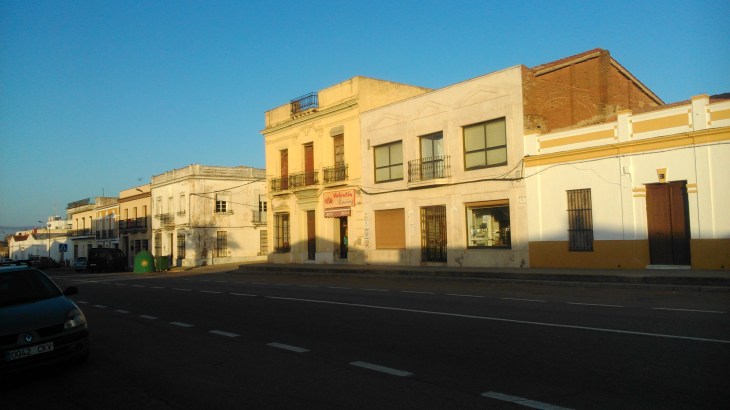 Torremejía has a touch of the wild west about it. The main street is very broad, with a real jumble of architecture and the side streets shoot off at right angles, through long lines of anonymous white houses. However, everyone is very friendly and ready to help, if needed. It is a hard-working farming community.
 As I said, it is across the way from equally ancient Catholic church. I noticed a lot of people going to evening mass. Nowadays in Spain, this is far from the norm. There is usually a gaggle of six to eight old ladies who spread themselves about, cat fashion, to give a clever impression of fullness. Tonight was a different story. It was a funeral mass and respects had to be paid. At the end of mass, the bereaved family sat in front of the altar and everyone filed past. They seemed surprised to see me, maybe not expecting people to travel so far. However, I bowed ( as is the custom), they nodded ( as is the custom), and we all moved on with our lives. A touching and charming way to offer condolencees and I would expect nothing less from these sincere and genuine people.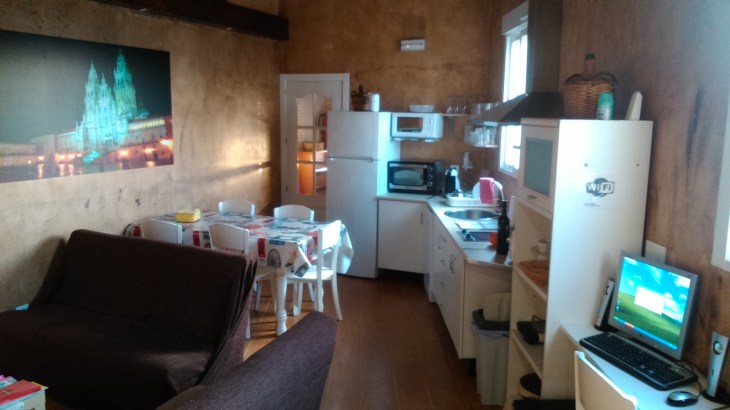
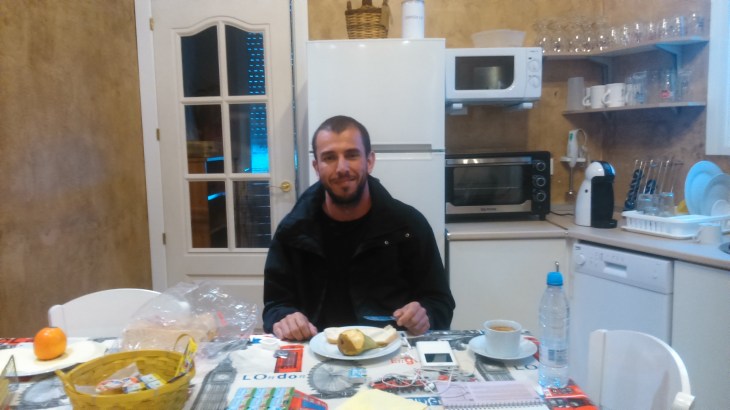
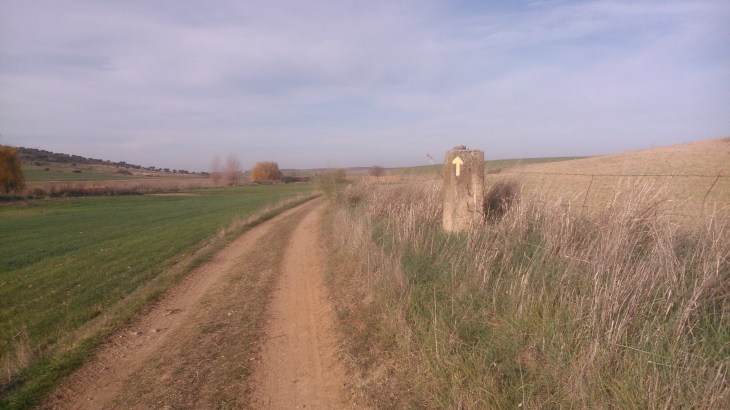
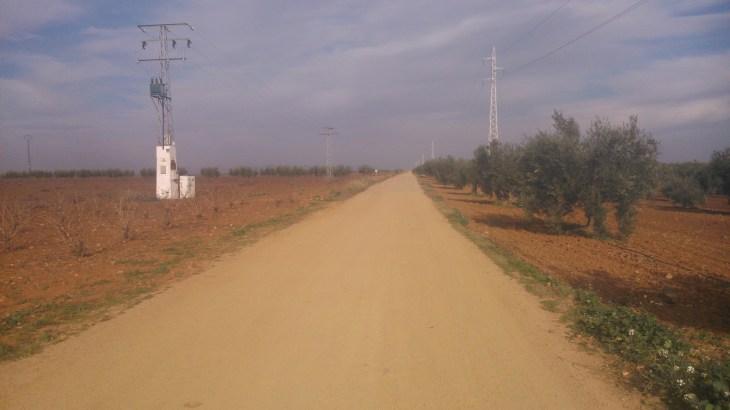
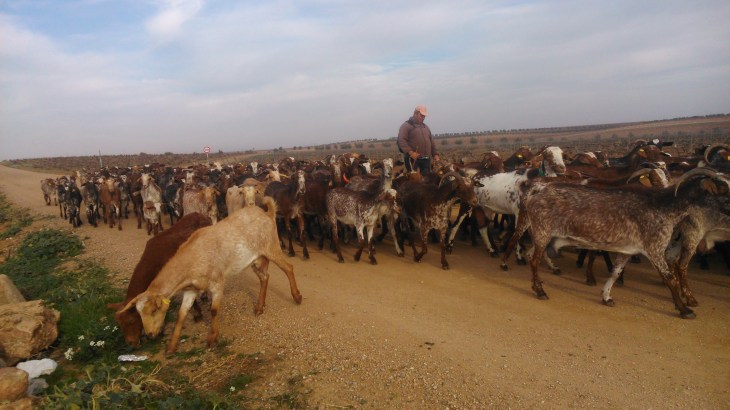
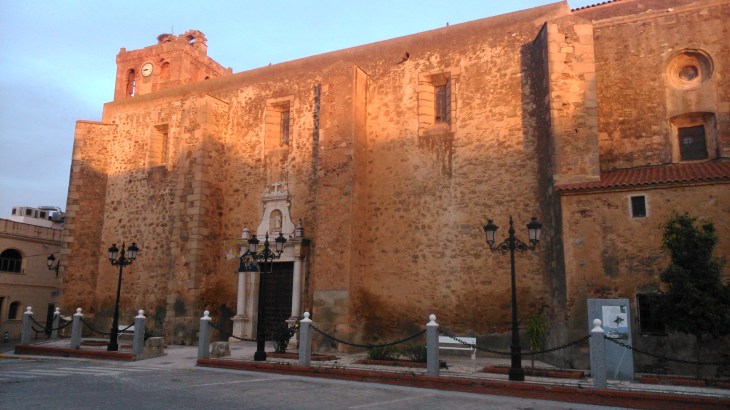
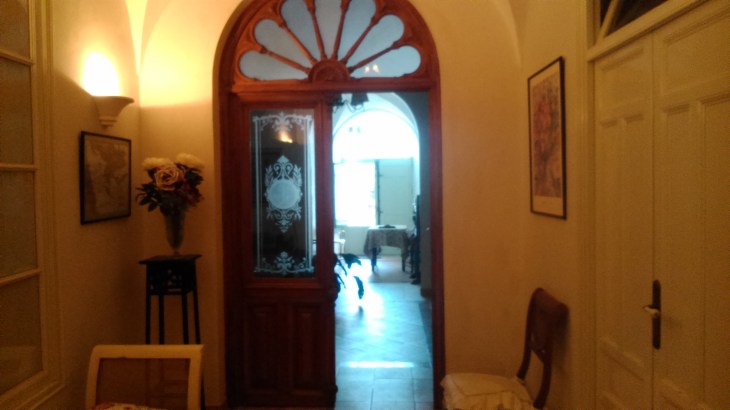
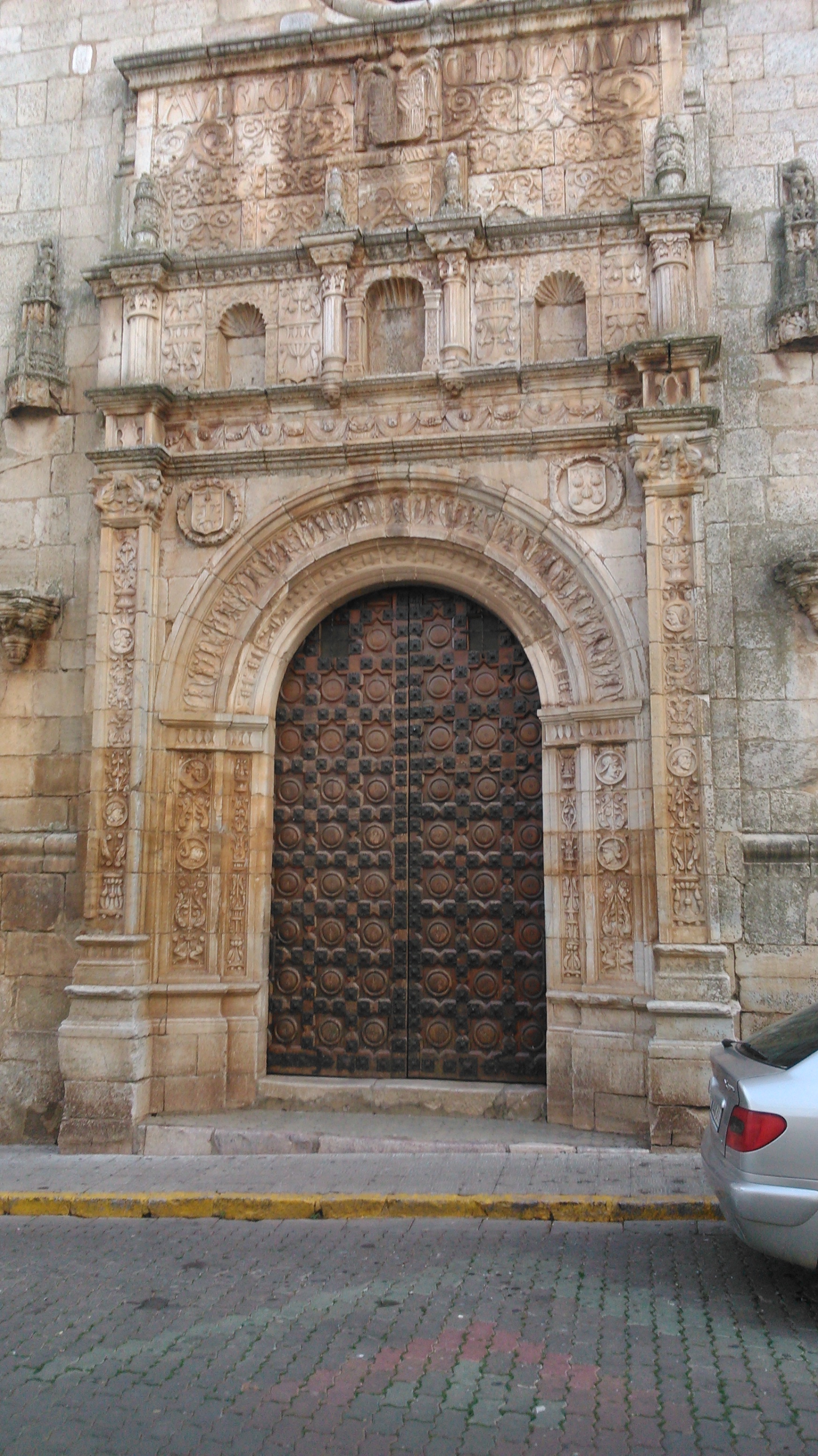
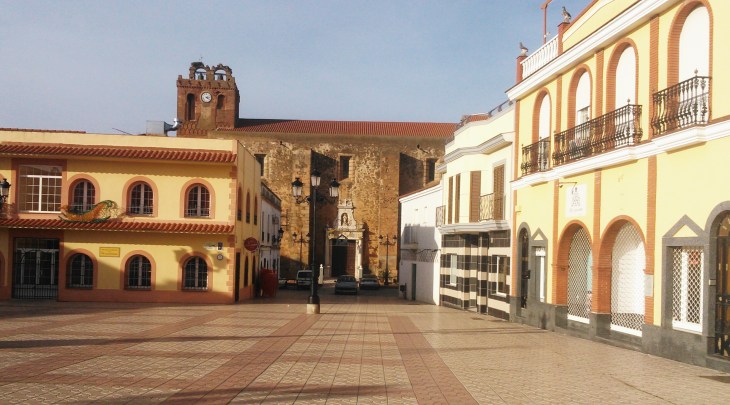 Today, I reached Puebla de Sancho Pérez, after a beautiful 20 kilometre walk through open countryside on, traffic free, old roads.
 dandowlingblog